Cultivating Visual Impact: The Role of Premium Vector Assets in Modern Design
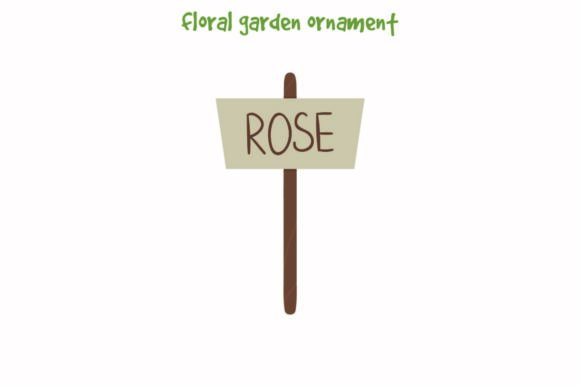
In the vibrant ecosystem of digital creation, where visual communication is paramount, the quality of foundational assets determines the altitude of the final project. Consider the botanical motif of a Rose Sign, a symbol rich with connotations of love, elegance, and organic beauty. When such a concept is rendered as a high-quality, versatile graphic resource, it becomes more than an image; it transforms into a multipurpose tool for storytellers, brands, and artists. This exploration delves into the practical utility and strategic advantages of utilizing premium, editable floral assets, like the described rose and garden vector collection, across various professional and creative landscapes.
The Anatomy of a Professional Vector Asset Package
Understanding what you are working with is the first step toward effective application. A comprehensive asset package, such as one featuring a floral Rose Sign and accompanying garden elements, typically includes multiple file formats to guarantee compatibility and flexibility. The availability in AI, EPS, SVG, JPG, and PNG formats addresses the core needs of diverse workflows. The AI and EPS files are ideal for professional vector editing software like Adobe Illustrator, preserving infinite scalability without quality loss. The SVG format is crucial for web development and modern digital interfaces, allowing for crisp, responsive graphics. The raster options, JPG and PNG, with the latter often supporting transparency, serve ready-to-use scenarios in presentations, quick mock-ups, or environments where vector software is not accessible.
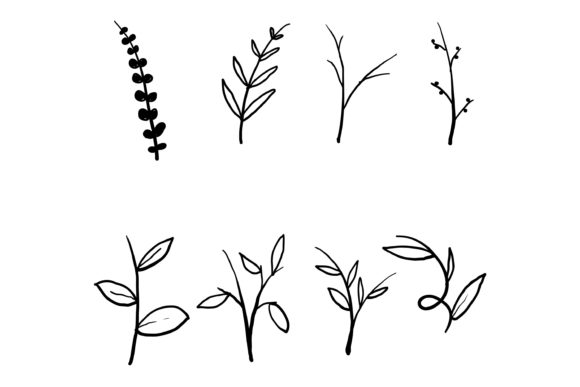
A canvas size of 1920 by 1280 pixels for each type provides a substantial, high-resolution starting point. This dimension is strategically aligned with common display and presentation standards, offering ample space for composition or direct use in widescreen formats. The "easy to use and can be edited as needed" characteristic is not merely a convenience; it is a fundamental shift from static imagery to dynamic design components. Each leaf, petal, or stem within the rose and garden vector can be recolored, resized, isolated, or rearranged, granting the creator ownership over the final aesthetic.
Primary User Groups and Their Distinct Applications
The utility of such assets spans a remarkably broad audience, each extracting value aligned with their unique objectives.
Marketing Professionals and Business Owners leverage these vectors for brand collateral. A refined Rose Sign can become the centerpiece of a luxury brand's campaign, embodying sophistication. It can be adapted for social media graphics, email marketing banners, or printed brochures, ensuring visual consistency across touchpoints. The floral garden elements can create lush backgrounds for websites promoting wellness, natural products, or event planning services.
Digital Creators and Content Producers, including bloggers, video editors, and social media influencers, use these assets to elevate their content's visual appeal. A customizable floral vector can be quickly integrated into video overlays, thumbnail designs, or course materials, adding a layer of professional polish without requiring extensive illustration time.
Educators and Researchers find value in these graphics for creating engaging educational materials. Botanical themes can beautifully illustrate concepts in biology, environmental science, or art history presentations. The clarity and editability of vectors allow for simplification or annotation to suit different learning levels.
Hobbyists and Crafters utilize the PNG and JPG files for personal projects, such as custom gift wrap design, digital scrapbooking, or homemade card creation. The high resolution ensures quality even when printed for physical crafts.
This cross-disciplinary relevance underscores the asset's design philosophy: to serve as a bridge between complex professional needs and accessible creative empowerment.
Strategic Advantages in the Real-World Workflow
Incorporating a prepared, high-caliber asset into a project offers tangible benefits that directly impact efficiency, cost, and creative outcome.
First is the significant time efficiency. Creating a detailed, botanical illustration from scratch demands considerable skill and hours. Starting with a robust vector set allows the designer to focus on composition, messaging, and integration rather than foundational drawing. This is particularly crucial in fast-paced commercial environments or for freelancers managing multiple clients.
Second is the assurance of visual quality and technical robustness. Assets provided at a large canvas size with multiple format exports have been prepared with technical precision. This mitigates risks like pixelation, unsupported file types, or color profile issues that can derail a project during final output or client review.
Third is the unparalleled creative flexibility. The editable nature means the rose is not a monolith. It can be deconstructed. Its colors can be shifted to match a brand palette from deep crimson to soft blush. Elements can be extracted to create patterns, borders, or icon sets. This adaptability makes the asset a long-term resource, not a single-use item.
Finally, there is a cost-effectiveness consideration. Compared to commissioning custom illustration for every project or subscribing to restrictive, limited-use stock platforms, acquiring a perpetual license for a versatile, editable asset package is often a financially prudent strategy for individuals and small businesses.
Implementation Considerations and Best Practices
To maximize the value of floral vector assets, users should approach their use with a mindful strategy.
Always audit the project's final output requirements before beginning. If the end product is a large-format print, rely on the original AI or EPS files to maintain integrity. For a web application, the SVG format will provide the best performance and scalability. Using a JPG for a print job meant for a billboard, when an EPS was available, would be a critical oversight.
Maintain organizational clarity when editing. Vector files can contain many grouped paths. When customizing, use layers and groups within your design software to keep the edited asset manageable for future reuse. Saving modified versions under clear names preserves the original for other purposes.
Respect the balance between customization and coherence. While every element can be changed, the original design likely has inherent balance and aesthetic harmony. Excessive, disjointed alterations might undermine the professional quality of the base asset. Edit with purpose, aligned with your project's visual goals.
Furthermore, it is wise to explore the full offering of a digital store. As the note suggests, checking other available graphics can reveal complementary assets—perhaps additional botanical elements, matching stylistic frameworks, or contrasting themes—that can expand your toolkit and ensure future projects have a ready source of coherent visuals.
The Evolving Context: Digital Assets as Creative Infrastructure
The prominence of such asset packages reflects a broader trend in digital creation: the move toward modular, reusable, and professional-grade creative infrastructure. In a landscape where content volume and velocity are high, the ability to produce distinctive, quality visuals consistently is a competitive advantage. A well-crafted floral vector set, anchored by a versatile symbol like a Rose Sign, provides that infrastructure for themes related to nature, beauty, growth, and elegance.
This is not about replacing original artistry but about enabling it. These assets act as sophisticated raw materials. The designer's skill, vision, and narrative intent are applied to these materials to build the final, unique composition. They remove the technical barrier of asset creation for those whose expertise lies in branding, communication, or layout, and they provide a springboard for illustrators to customize and integrate quickly into larger works.
The observation across industries is that visual projects are increasingly hybrid. They combine custom photography, licensed assets, original illustration, and purchased vector graphics. The successful project seamlessly blends these elements. Therefore, the criteria for selecting a vector asset extend beyond its immediate appearance. They include its technical compatibility, its editability to ensure it can blend, and the reputation of its source for providing reliable, well-constructed files.
In essence, a decision to utilize a comprehensive floral asset package is a strategic investment in a project's visual foundation. It allocates resources wisely, prioritizes quality and adaptability, and empowers a wide spectrum of creators to bring cultivated, elegant botanical visuals—from a single Rose Sign to an entire garden scene—into their work with confidence and professional results.